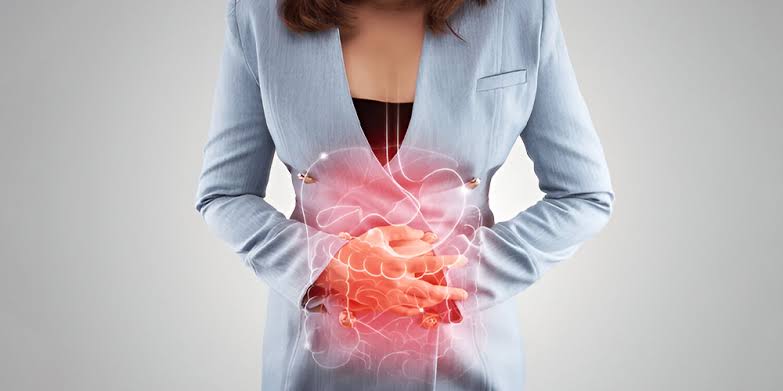
Crohn’s Disease – A Complete Easy Guide!
Crohn’s disease is a long-term inflammatory condition that affects the digestive system, especially the intestines. It is part of a group of diseases known as inflammatory bowel disease (IBD). Crohn’s disease can cause pain, discomfort, and problems with digestion, and it may affect different parts of the gastrointestinal tract from the mouth to the anus.
In this article, we will explain Crohn’s disease in simple words, including its causes, symptoms, diagnosis, treatment, and how people can manage it in daily life.
What Is Crohn’s Disease?
Crohn’s disease is a chronic illness that causes inflammation in the digestive tract. “Chronic” means it lasts a long time and may come and go in cycles.
Unlike some other digestive problems, Crohn’s disease can affect any part of the digestive system, but it most commonly affects the small intestine and the beginning of the large intestine.
The inflammation can go deep into the layers of the bowel, causing pain, swelling, and damage over time.
Causes of Crohn’s Disease:
The exact cause of Crohn’s disease is not fully known, but experts believe several factors are involved:
1. Immune System Problems
The immune system may mistakenly attack healthy cells in the digestive tract, causing inflammation.
2. Genetics
People with a family history of Crohn’s disease have a higher risk of developing it.
3. Environmental Factors
Certain environmental factors, such as diet, pollution, or infections, may trigger the disease.
4. Smoking
Smoking increases the risk and can make symptoms worse.
Symptoms of Crohn’s Disease:
Symptoms of Crohn’s disease can vary from mild to severe and may come and go.
Common symptoms include:
- Abdominal pain and cramps
- Diarrhea (sometimes severe)
- Weight loss
- Fatigue
- Blood in stool
- Reduced appetite
- Fever
Types of Crohn’s Disease:
Crohn’s disease can affect different areas of the digestive tract:
Ileocolitis
Affects the end of the small intestine and part of the large intestine.
Ileitis
Affects only the small intestine.
Gastroduodenal Crohn’s Disease
Affects the stomach and the beginning of the small intestine.
Jejunoileitis
Causes patchy inflammation in the upper part of the small intestine.Each type may have different symptoms depending on the affected area.
How Crohn’s Disease Is Diagnosed?
Doctors use several tests to diagnose Crohn’s disease.
Blood Tests
These help detect inflammation, anemia, or infection.
Stool Tests
Used to check for infection or blood in the stool.
Endoscopy
A thin tube with a camera is used to view the digestive tract.
Imaging Tests
CT scans or MRI scans help see inflammation inside the body.A combination of tests is usually needed for an accurate diagnosis.
Treatment of Crohn’s Disease:
Medications
Doctors may prescribe:
- Anti-inflammatory drugs
- Immune system suppressors
- Antibiotics
- Pain relievers
- Biologic therapies
These medications help reduce inflammation and manage flare-ups.
Diet and Nutrition
Diet plays an important role in managing Crohn’s disease.
Patients are often advised to:
- Avoid spicy and fatty foods
- Eat small, frequent meals
- Stay hydrated
- Avoid trigger foods
A healthy diet helps reduce symptoms and improve digestion.
Surgery
In severe cases, surgery may be needed to remove damaged parts of the intestine.However, surgery does not cure Crohn’s disease completely, as it may return later.
Living with Crohn’s Disease:
Living with Crohn’s disease can be challenging, but many people manage it successfully with proper care.
Regular Checkups
Frequent doctor visits help monitor the condition.
Stress Management
Stress can worsen symptoms, so relaxation techniques like meditation can help.
Healthy Lifestyle
Exercise, proper sleep, and balanced nutrition improve overall health.
Support System
Family and friends play an important role in emotional support.
Complications of Crohn’s Disease:
If not managed properly, Crohn’s disease can lead to complications such as:
- Intestinal blockage
- Ulcers in the digestive tract
- Malnutrition
- Fistulas (abnormal connections between organs)
- Increased risk of colon cancer
Early diagnosis and treatment can help prevent these complications.
Can Crohn’s Disease Be Prevented?
There is no known way to completely prevent Crohn’s disease because its exact cause is unknown. However, symptoms can be managed by:
- Avoiding smoking
- Eating a healthy diet
- Reducing stress
- Taking prescribed medication regularly
Healthy habits can reduce flare-ups and improve quality of life.
When to See a Doctor?
You should see a doctor if you experience:
- Persistent stomach pain
- Long-term diarrhea
- Blood in stool
- Unexplained weight loss
- Severe fatigue
Early diagnosis helps in better treatment and management.
FAQ’S:
1. What is Crohn’s disease?
Crohn’s disease is a chronic inflammatory condition that affects the digestive tract, causing pain, diarrhea, and other digestive issues.
2. What causes Crohn’s disease?
The exact cause is unknown, but it is linked to immune system problems, genetics, environmental factors, and sometimes smoking.
3. Is Crohn’s disease curable?
No, Crohn’s disease has no permanent cure, but it can be managed with medication, diet, and lifestyle changes.
4. What are the common symptoms of Crohn’s disease?
Common symptoms include abdominal pain, diarrhea, weight loss, fatigue, fever, and blood in the stool.
5. How is Crohn’s disease treated?
Treatment includes medications to reduce inflammation, dietary changes, and in severe cases, surgery to remove damaged parts of the intestine.
Conclusion:
Crohn’s disease is a chronic inflammatory condition that affects the digestive system and can significantly impact daily life. Although there is no complete cure, modern treatments, lifestyle changes, and medical support can help control symptoms and improve quality of life.
With proper care, regular monitoring, and healthy habits, people with Crohn’s disease can live active and fulfilling lives.